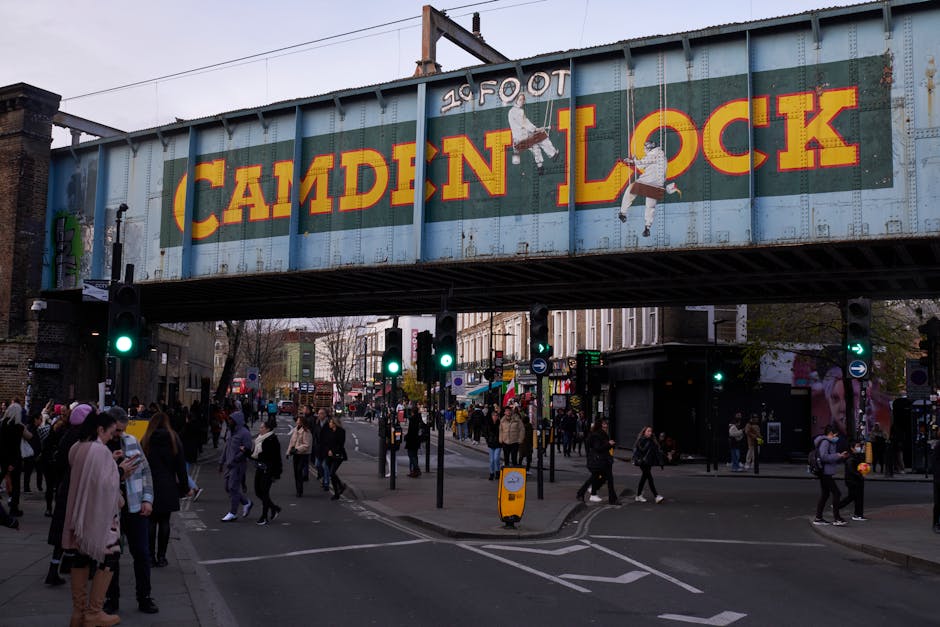
Moving Company in London for practical home and business removals

A moving company in London needs to do more than shift boxes from one address to another. Our removals work focuses on careful planning, sensible loading and organised transport for homes, flats and workplaces, so the day feels structured rather than rushed. We help customers move furniture, packed belongings and office equipment with attention to access, handling and timing, while keeping the service straightforward and commercially clear.
If you are comparing options, it helps to think about what must be moved, how much protection the items need and whether you need a simple van-led move or a fuller removals service. We provide support for smaller and larger moves, and the right approach depends on the building layout, the volume of items and the level of help required at each end. Clear instructions, realistic planning and tidy execution make a genuine difference.
For a straightforward start, review our pricing and quotes information and then choose the moving option that matches the size of your job. You can also read about our removal services if you want a broader view of the work we cover, from everyday household removals to more involved transport of furniture and mixed contents.
Home moves arranged with care
Our home moving work is built around the practical realities of domestic removals in London. That includes houses, flats and smaller properties where stairs, parking, lift use or narrow access can affect the move. We handle the physical movement of items and can support customers who want a more organised process than hiring transport alone. The aim is to make the move manageable while still giving enough flexibility for different property types and volumes.
Where a house move involves several rooms of furniture, our approach is to keep the loading order sensible and reduce avoidable handling. Sofas, tables, white goods and boxed belongings can often be combined into one coordinated plan, but a move only works well when the larger pieces and the breakable items are treated differently. That is why a clear scope matters before moving day, especially if you want a sensible balance between protection and efficiency.
We also support smaller domestic jobs that do not require a full-scale moving operation. For some customers, a man and van style arrangement is the right fit; for others, the better choice is a more complete house removals service. If you are preparing to move soon, keep the details simple and practical: list the main items, note any access concerns and decide whether dismantling or reassembly needs to be included. That helps us advise on the best setup for the work.
Domestic removals for houses, flats and mixed contents

Domestic removals can range from a few key furniture items to a full household relocation, and the best method depends on what is being moved. Our work covers mixed contents, packaged belongings and bulky items that need a careful lift and load approach. We can also support customers who are moving out of smaller properties where the volume is modest but access is awkward, which often makes planning more important than sheer manpower.
In a domestic setting, protection and sequencing matter. It is usually more efficient to load sturdy furniture first, keep fragile or awkward items separately considered and leave enough room for safe stacking. If a move includes wardrobes, beds or other items that need to be taken apart, it is sensible to think through how those pieces will be prepared in advance. When furniture is organised well, the move is less disruptive and the vehicle space is used more effectively.
For customers comparing domestic options, our house movers page gives another way to view the service, while home moves is useful if you want a more general domestic moving overview. Both can help you decide whether you need a full removals crew or a lighter support model. If you want to talk through the move, a simple enquiry is often the quickest way to judge the practical scope.
Office relocation services for commercial moves
Moving business premises requires a different kind of organisation from a standard domestic removal. Our office relocation work is aimed at commercial customers who need desks, chairs, files, equipment and general office contents moved with minimal confusion. The focus is on clear sequencing, careful handling and a sensible approach to access, so the relocation feels controlled and appropriate to the building and the amount of equipment involved.
Office removals often involve more than lifting furniture. Equipment may need separating from paperwork, screens may need extra protection and items used by different teams may need to be kept together. When the move is planned carefully, it becomes easier to place items where they belong on arrival. We can assist with office relocation tasks that involve a compact workspace or a larger commercial environment, depending on the moving requirements in front of us.
If you are comparing commercial moving support, see our office removals page for a more direct view of the service, or read about commercial moves if your job includes mixed business contents rather than only office furniture. For a smooth enquiry, have a rough list of the main items and any building restrictions ready; then ask for a quotation once you know the scope.
Removal options for different load sizes

Not every move needs the same scale of vehicle or labour. Some customers only need a simple transport arrangement, while others want fuller removals support for furniture, boxes and heavier household pieces. Our service range includes smaller vehicle-led moves as well as larger removal setups, which makes it easier to match the job to the amount of belongings involved rather than forcing every customer into the same model.
The practical difference is usually in capacity, handling and the level of help at each stage. A compact move may suit a van-based option, while a fuller property clearance or family relocation may need a broader removals approach. The key is to avoid paying for more than you need, but also to avoid booking too little support for awkward furniture or a long carrying distance. Careful sizing of the job keeps the work efficient and more predictable.
Useful starting points include removal companies if you want to compare the broader service category, removal company for a straightforward overview, and removals if you want a more general entry point into the moving options available. If you are ready to proceed, make a note of what is moving, what stays behind and which items need special handling before you request a quotation.
Packing, unpacking and preparing items for transit
Packing affects both the safety of the belongings and the speed of the move. Our packing and unpacking services are useful when customers want extra help beyond transport, especially for breakables, kitchen contents, books, ornaments and mixed household items. Packing well means choosing suitable boxes, filling spaces sensibly and keeping heavier items from damaging lighter ones. It also helps create a clearer unloading sequence when the vehicle reaches the destination.
Unpacking can be just as helpful after the journey, particularly when a customer wants the main rooms made usable more quickly. Even without a full unpacking service, it is often useful to think in categories: fragile items, daily-use items, and the furniture that needs to be placed first. That sort of thinking makes the move less chaotic and can reduce time spent searching for essentials after arrival.
See our packing and unpacking services page if you want to understand how this support fits into a move. If you are preparing the job yourself, keep to two simple priorities: label the most important boxes and separate anything that needs special handling. Then ask us for a quotation once the move list is ready. Good packing choices save time later and make loading much easier.
About London

London is a large and historically layered city in south-east England, formed by a long sequence of settlement, trade, governance and rebuilding along the Thames. The river remains central to its geography, curving through the urban area and linking older districts with newer developments and riverside walkways. The City of London retains its historic financial core, while the wider metropolis includes boroughs with distinct identities, from inner neighbourhoods full of terraces and converted industrial buildings to outer districts with greener streets and larger residential areas. Architecture in London ranges from medieval survivals and Georgian squares to Victorian civic buildings, post-war estates and contemporary towers, so the skyline changes noticeably from one district to the next.
The capital’s cultural life is unusually dense. Museums, theatres, concert halls, galleries and markets are spread across the city, and many of them sit within walkable clusters rather than a single centre. The West End is known for theatre and entertainment, the South Bank for riverfront culture and public spaces, and areas such as Bloomsbury, South Kensington and Greenwich each carry their own recognisable character. London also has a strong network of parks and commons, including Hyde Park, Regent’s Park, Hampstead Heath and Richmond Park, which provide substantial open space within the built-up city. The Thames Path, canal towpaths and station-linked streets tie many of these places together, creating a city that is best understood as a collection of overlapping districts rather than one uniform centre.
Furniture, vans and the handling of bulky items
Bulky furniture often creates the most pressure on a moving day, because it is not only heavy but also awkward to turn, carry and position. Our service covers the practical transport of items such as beds, wardrobes, cabinets, dining tables and sofas, with the attention needed to move them safely through internal routes and into the vehicle. The main challenge is usually not the distance itself but the combination of shape, weight and access.
Different items demand different handling methods. A sofa may need protection from scrapes, a wardrobe may need taking apart, and a table may need space cleared in advance so it can be lifted without damage. We also consider loading order carefully, because the wrong sequence can make it harder to secure the load properly. When moving furniture, it is worth deciding early what is staying assembled and what should be broken down before collection.
If your move is centred on furniture rather than a full property, our furniture pick-up page may be relevant, and moving van gives a clearer sense of the vehicle-based side of the service. Those pages can help you compare the right level of support for a specific item list. For a quick next step, write down the largest pieces first and ask for a quotation based on the load, not just the postcode.
How to plan a move with fewer surprises

A well-planned move usually starts with a practical inventory. That does not need to be elaborate: a room-by-room list, a note of any awkward items and a reminder of access issues can be enough to shape an accurate moving plan. We find that the best enquiries are specific without being complicated. If there are lifts, stairs, narrow hallways, basement rooms or difficult parking arrangements, those details are worth mentioning early so the work can be matched to the site.
- List the main furniture and any boxed contents that are definitely going.
- Note items that need dismantling, protection or extra lifting care.
- Keep the most important documents, valuables and daily essentials separate.
- Tell us about access, timing and any building rules that affect loading.
For booking and practical arrangements, our contact us page is the best place to begin, and about us gives a wider view of the company background. If you want to move forward, ask for a quotation once you have the basic details ready. A concise enquiry is often enough to get the moving process into shape, and it helps us respond with a more suitable proposal.
Additional removals support and service choices
Some jobs sit between a full house move and a simple item collection. That is where broader removals support can be useful, especially if a customer needs help with mixed household contents, a smaller relocation or a vehicle-led transfer that still includes careful handling. Our service range gives room for those choices without turning everything into the same type of booking. The right solution depends on the balance of items, effort and transport needs.
We also cover useful supporting information on service standards and practical arrangements. If you want to understand how enquiries are handled, the terms and conditions and payment and security pages provide a useful reference point, while insurance and safety explains how the work is approached responsibly. These pages are worth reviewing when you want a clearer picture of how the service is structured before you book.
When you are comparing moving options, think in terms of scale, access and the type of contents involved rather than simply looking for the cheapest-looking label. Some customers need a compact service for a straightforward move, while others benefit from a broader removal company approach. If you are ready to take the next step, request a quotation and describe the move in plain terms: what is going, what needs care and when you would like it completed.
Final checks before you request a quotation
Before asking for pricing, it is worth checking the small practical details that often shape the move. Are there items in storage, a loft or a garage? Do any larger pieces need a route cleared in advance? Will the move involve multiple stops, or is it a direct transfer from one property to another? These questions do not need a long explanation, but they do help turn a general enquiry into a more usable quote request.
Our removals work in London is intended for customers who want organised transport, careful handling and a service that can be matched to the size of the job. Whether the move is domestic or commercial, the same basic principles apply: know the load, note the access and choose the level of support that fits. If needed, you can also compare our man with van and moving truck pages for different transport setups.
For the next step, ask for a quotation and include the essentials in one message. That lets us assess the move more sensibly and helps you decide which service is most suitable. If you are close to booking, keep it simple: list the items, note the access and send the enquiry. We are ready to help with the practical side of the move.